

Why Is Night Driving Getting Harder? Common Causes of Glare and Blurry Vision
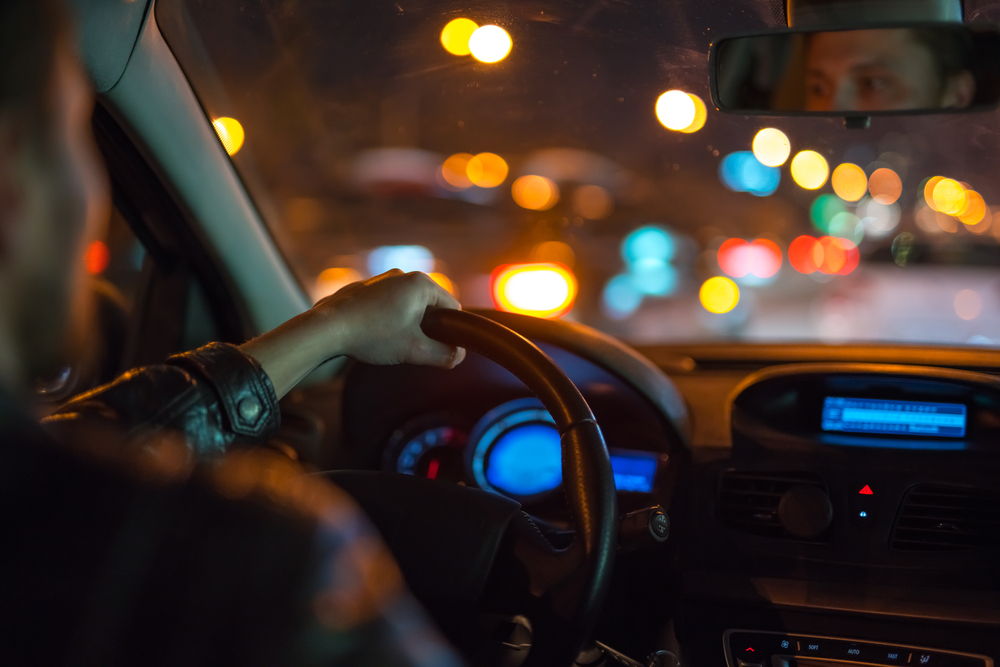
Driving at night can become more challenging when headlights appear unusually bright, road signs look blurry, or you struggle to see in low-light conditions. While some changes in night vision occur naturally with age, increasing glare and blurry vision may indicate an underlying eye condition. At Collins Vision Care in Vandalia, OH, we help patients identify the causes of night driving difficulties and find appropriate solutions to improve their visual comfort and safety.
What Causes Glare and Blurry Vision While Driving at Night?
Several vision problems can make nighttime driving more difficult. When lighting is limited, your pupils dilate to allow more light into your eyes. This can make certain vision problems more noticeable, particularly when facing bright headlights.
Common causes of night driving difficulties include:
Uncorrected Refractive Errors: Nearsightedness, farsightedness, and astigmatism can cause blurry vision, halos, or streaks around headlights, especially when your prescription needs updating.
Cataracts: As the eye's natural lens becomes cloudy, light scatters instead of passing through clearly. This can increase glare, reduce contrast sensitivity, and make nighttime driving uncomfortable.
Dry Eye Syndrome: An unstable tear film can create fluctuating blurry vision and increased sensitivity to bright lights, particularly during extended periods of visual concentration.
Age-Related Vision Changes: As we age, our eyes may become less effective at adjusting between bright and dim environments, making it harder to see clearly at night.
Corneal Irregularities: Conditions affecting the cornea's shape or clarity can scatter light and contribute to glare, halos, and distorted vision.
Why Do Headlights Seem Brighter Than Before?
Modern vehicle headlights can appear particularly intense, especially when approaching from the opposite direction. However, if headlights suddenly seem more distracting or produce larger halos than before, your eyes may be contributing to the problem.
Cataracts, astigmatism, and dry eye can increase light scattering, making headlights appear streaky or surrounded by a glowing ring. At our Vandalia optometry practice, we evaluate these symptoms to determine whether prescription changes or underlying eye health concerns are affecting your night vision.
Can an Eye Exam Help Improve Night Driving Vision?
A comprehensive eye exam is one of the most effective ways to identify why driving at night has become difficult. At Collins Vision Care, we assess visual clarity, prescription accuracy, and overall eye health to determine what may be causing glare or blurry vision.
Depending on our findings, we may recommend updated prescription glasses, appropriate lens coatings, dry eye treatment, or further evaluation for conditions such as cataracts.
Anti-reflective lens coatings may help reduce distracting reflections from eyeglass lenses, although they cannot eliminate glare caused by an underlying eye condition.
When Should You See an Eye Doctor About Night Vision Problems?
If you frequently struggle to recognize road signs, experience excessive glare from headlights, or notice worsening blurry vision after dark, scheduling an eye exam is important.
Night driving problems should not automatically be dismissed as normal aging. Persistent changes may indicate a treatable vision condition that benefits from early evaluation.
If your vision changes suddenly, especially with eye pain or significant vision loss, seek immediate medical attention. Avoid driving at night when your vision does not allow you to do so safely.
Schedule a Comprehensive Eye Exam in Vandalia, OH
If glare, halos, or blurry vision are making nighttime driving uncomfortable, our team can help identify potential causes and discuss appropriate treatment options. Contact Collins Vision Care in Vandalia, OH, at (937) 898-9333 to schedule your comprehensive eye exam today.

MAP
Powered by: 